Fissure
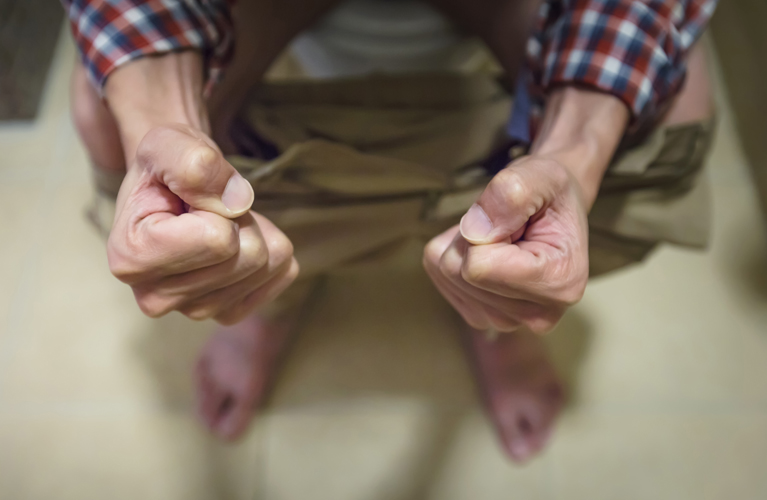
An anal fissure is a small tear or cut in the lining of the anus, which can cause pain, burning, and bleeding during or after passing stools. It is a common condition that affects both men and women, and is often linked to constipation, passing hard stools, chronic diarrhea, or prolonged straining during bowel movements. In some cases, anal fissures may also occur due to childbirth, inflammatory bowel disease, or repeated anal irritation. The sharp pain and occasional bright red blood noticed on toilet paper or in the stool are typical signs of a fissure, which can make bowel movements very uncomfortable and distressing.
Most anal fissures are not serious and can heal on their own with proper care, but some may become chronic if left untreated. Simple lifestyle changes, such as increasing dietary fiber, drinking plenty of fluids, and maintaining regular bowel habits, can help prevent and relieve fissures. Warm sitz baths, topical ointments, and pain-relieving creams may also provide relief and promote healing. In cases where symptoms persist or the fissure becomes chronic, medical treatments such as Botox injections or minor surgical procedures like lateral sphincterotomy may be necessary. With timely medical advice and healthy bowel practices, anal fissures can be effectively managed and prevented from recurring