Veneral Diseases
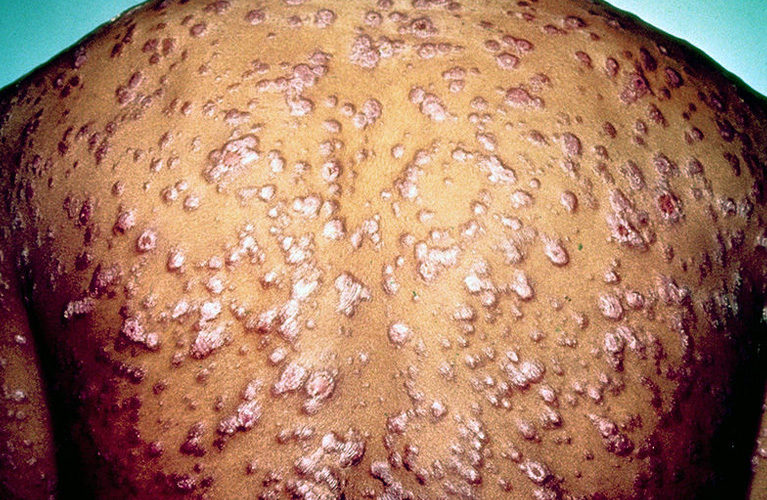
Venereal diseases, also known as sexually transmitted diseases (STDs) or sexually transmitted infections (STIs), are infections that are spread primarily through sexual contact. These conditions can be caused by bacteria, viruses, or parasites and include common infections such as syphilis, gonorrhea, chlamydia, genital herpes, human papillomavirus (HPV), and HIV/AIDS. Many venereal diseases may not show obvious symptoms in the early stages, which increases the risk of unknowingly passing them to sexual partners. When symptoms do occur, they may include genital sores, unusual discharge, itching, burning sensation during urination, or general discomfort in the genital area. If left untreated, STDs can lead to serious complications such as infertility, pelvic inflammatory disease, or long-term damage to vital organs.
The good news is that most venereal diseases are preventable and treatable with timely medical care. Preventive measures such as practicing safe sex with the use of condoms, limiting the number of sexual partners, and regular health check-ups play an important role in reducing the risk. Many bacterial STDs like syphilis, gonorrhea, and chlamydia can be effectively treated with antibiotics, while viral infections such as herpes and HIV can be managed with long-term antiviral therapy. Vaccinations are also available for certain infections like HPV and Hepatitis B. Open communication with partners and seeking prompt medical advice if symptoms appear are essential steps toward protecting sexual health. With awareness, preventive care, and proper treatment, venereal diseases can be effectively controlled and managed.